
 Contact Us
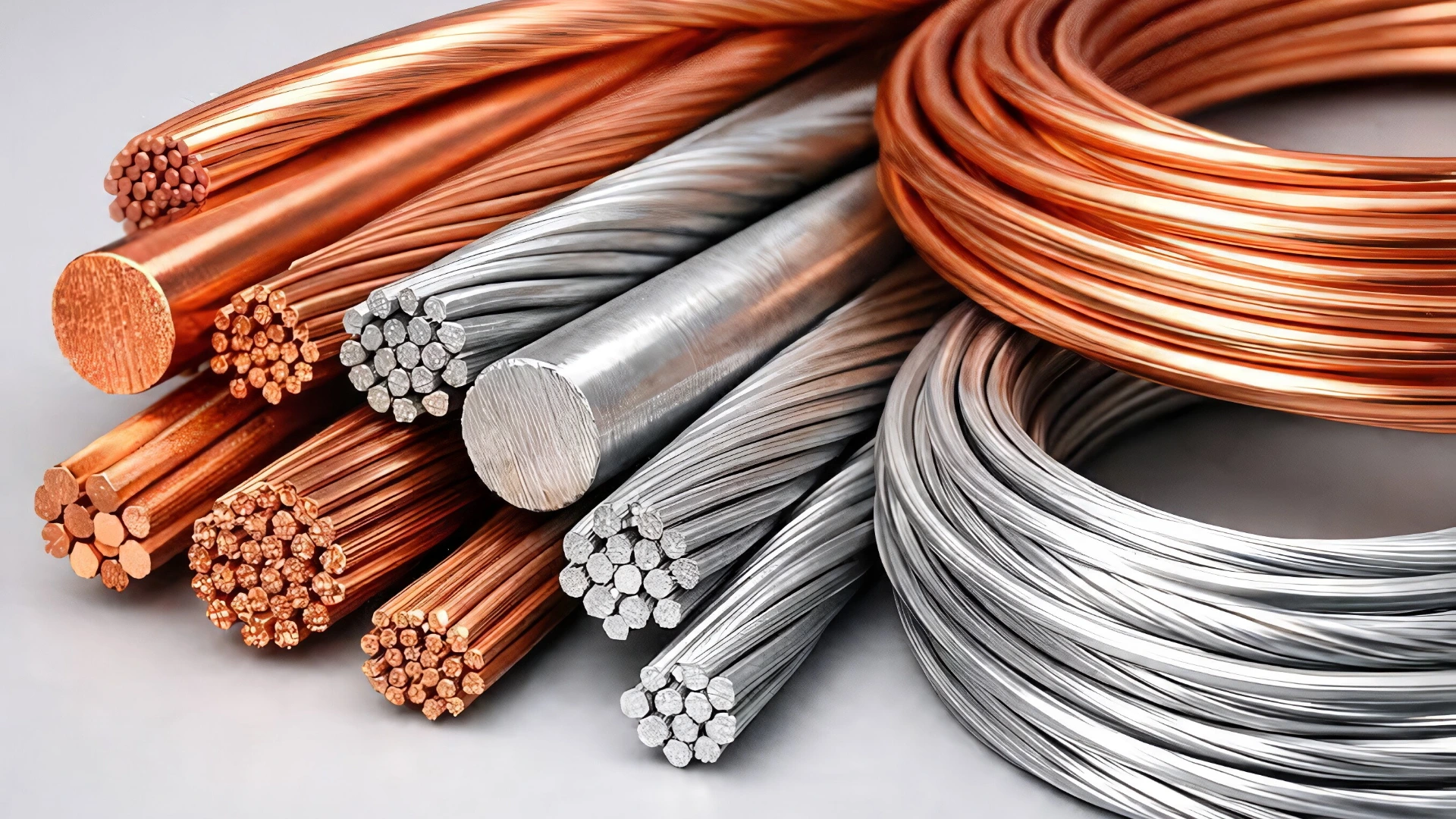
Electrical wiring is one of the essential safety elements in a household that is often disregarded during the construction or remodeling of the property. Poorly connected wires, damaged wiring, overloaded electrical circuits, and low-quality electrical wiring pose the risks of overheating, short circuits, and fire in the household. The fact that most electrical wiring is concealed by the walls of the house makes it impossible to notice any malfunction before signs like the smell of burning, sparks, light flickers, or hot sockets show up.
In 2025, 28,495 cases of fires have been registered by Rescue 1122 Punjab. Out of all those fires, 10,018 have been caused by short circuits, taking 99 lives. In 2020, the percentage of electrical short-circuit fires accounted for 47.1 percent of all 15,590 fires in Punjab.
The choice of electrical wiring and its quality can influence the safety of the house. Copper wiring is a safer option to choose for a house as compared to aluminum wiring due to its lower heat conductivity, tighter connections, and the absence of insulating oxidation crust formation. Let us first get acquainted with the two types of metal.
People also search for: https://gharhub.com/best-cables-in-pakistan
What Is Copper Wiring?
Copper wiring is made up of solid or stranded copper used to conduct electricity within the building. This is the standard metal used for the branch circuits that serve the outlets, switches, and light fittings. Copper is a good conductor of electricity and can be bent easily.
What Is Aluminum Wiring and Why Was It Used?
Aluminum wiring has aluminum in place of copper. It is lighter and less costly. From 1963 through 1968, there was a marked rise in copper prices, which prompted builders to use solid aluminum wiring for branch circuits.
Today, aluminum is still used in large feeder and service cables, but this is an improved version to meet modern standards. Safety issues described here refer to older solid aluminum wire used in 115- and 20-amp branch circuits.
Which Wiring Do Pakistani Homes Use?
Most of the aluminum wiring contributions come from the United States and Western countries. In Pakistan, the rules for house wiring point firmly to copper. Here is how the local framework works.
The Pakistan Standards and Quality Control Authority (PSQCA) has adopted the international cable standard as PS: IEC:60227. It covers PVC insulated cables up to 450/750 volts, the kind used in house wiring. The standard says conductors must be annealed copper.
Other local rules also shape safe wiring:
Pakistan Engineering Council (PEC) developed the Pakistan Electric and Telecommunication Safety Code, PETSAC 2014.
Building Code of Pakistan, Fire Safety Provisions 2016 sets fire safety rules for buildings.
Punjab Community Safety Building Regulations 2022 add safety rules for buildings in Punjab.
So for Pakistani homeowners, the real risk is rarely old aluminum. It is poor-quality or fake "copper" cable, undersized wire, and loose connections.
Why Copper Wiring Is Safer: 6 Key Reasons
Aluminum wiring failed for four main reasons: it crept, it expanded with heat, it corroded where it touched other metals, and it was brittle. Copper avoids all four.
1. Lower Electrical Resistance Means Less Heat
Resistance is how hard a metal pushes back against electricity. More pushback means more heat.
Metal | Resistivity at 20°C |
Copper | 1.68 × 10⁻⁸ ohm metre |
Aluminum | 2.65 × 10⁻⁸ ohm metre |
That means aluminum has about 58 percent more resistance than copper of the same size. At the same current and size, more resistance means more heat in the wire.
2. Less Thermal Expansion Means Connections Stay Tight
Each time the circuit is turned on, the wire expands. Then, when the circuit is turned off, it cools down and contracts. Aluminum expands at a rate of 24 millionths for each degree Celsius, while copper expands by only 17 millionths per degree Celsius. That is around 40 percent more expansion in aluminum wires.
Over thousands of on/off cycles, the extra expansion will make it slack under the screw. The result is a connection that gets hotter every time. That becomes important in circuits that have to switch on and off numerous times a day, such as in air conditioning units, water pumps, and kitchen appliances.
3. Oxidation: Copper Oxide Conducts, Aluminum Oxide Doesn't
Both metals oxidize in air to create an outer layer of metal oxide. The insulating layer formed on the junction reduces the cross-section of current flow, creating a hotspot.
The copper oxide is soft and is still capable of conducting electric current.
The aluminum oxide is hard and serves as an insulator.
4. Resistance to "Cold Creep" Under Screw Terminals
Creep is a gradual process. You will not notice it the day the wire is attached. Instead, you will see it months or years later, when a tight connection has become loose without your knowledge.
"Creep," also known as "cold flow," refers to the gradual deformation of metal due to constant pressure. When you tighten a screw on an aluminum wire, the wire will continue to deform ("flow") even after the tightening process ends. The copper wire, however, being tougher than the aluminum, retains its shape and remains tight.
5. No Galvanic Corrosion at Device Terminals
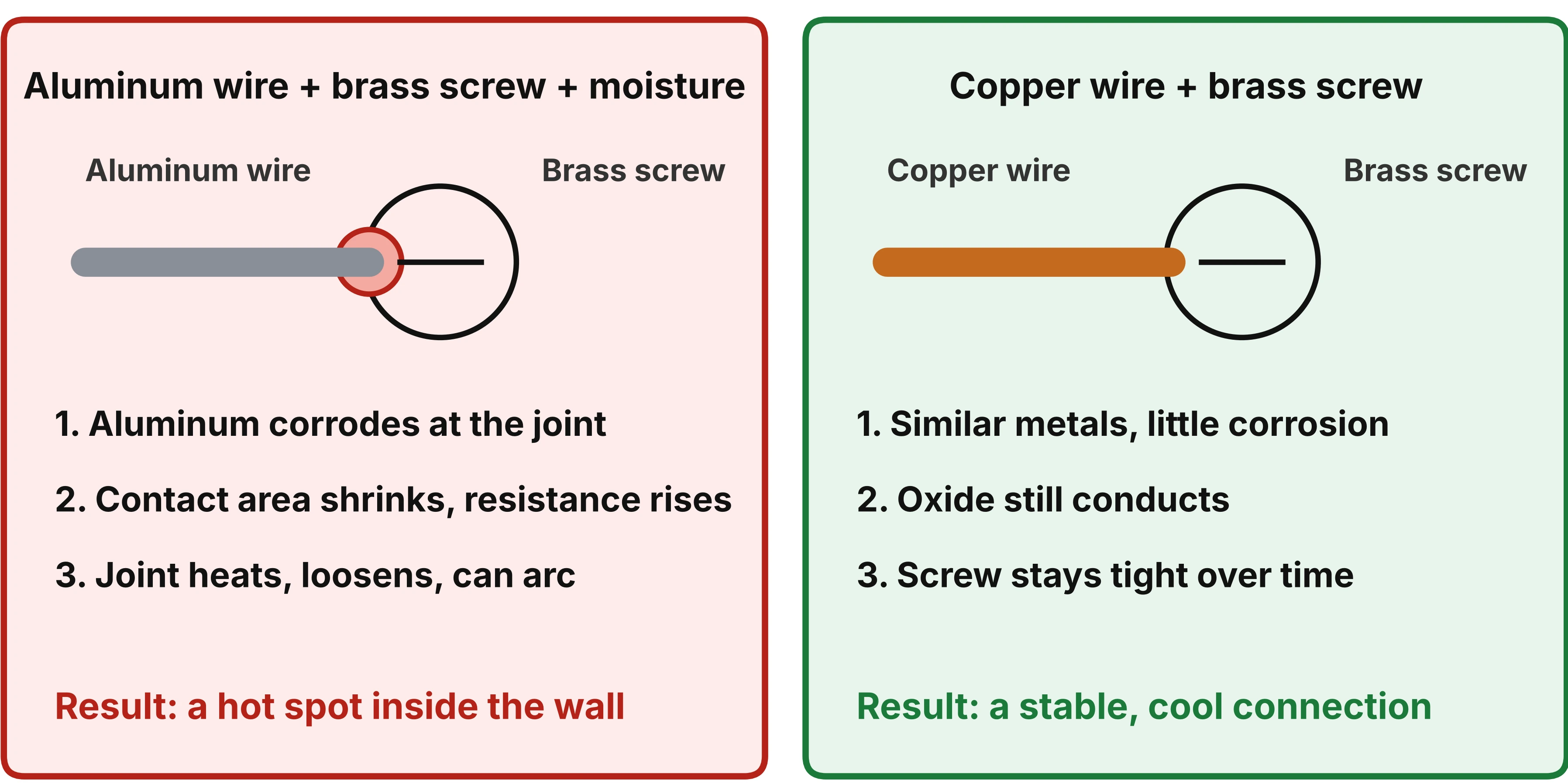
Most outlets and switches have brass or copper components at the screw. Therefore, the metal in your wire needs to be compatible with the metal in the component. Copper is. Aluminum is not.
Galvanic corrosion occurs when two different metals come into contact in the presence of moisture. One of the metals corrodes gradually. Galvanic corrosion occurs in aluminum when it comes into contact with dissimilar metals like brass or copper.
6. Stronger and More Flexible, So It Breaks Less During Repairs
Wiring is not a task done only once. Wires are bent, stripped, and rewired multiple times during the lifetime of a house. A metal that performs well under such conditions remains safe for a longer period of time.
An electrician bends a wire every time he installs or replaces an outlet. Aluminum wires are fragile, and every bending weakens the wire; any nick or crack will be a point of failure. Copper is stronger and can be bent more times before breaking down.
Copper vs. Aluminum Comparison Table
Use this table as a quick reference when you inspect a home or talk to an electrician.
Factor | Copper wiring | Solid aluminum wiring |
Gauge for the same circuit | 12 AWG on a 20-amp circuit | 10 AWG needed (12 AWG aluminum is limited to 15 amps) |
Material cost | Higher | Lower, the reason it was used in the 1960s |
Lifespan | 100+ years | Wire may last, but connections are the weak point |
Related: https://gharhub.com/electrical-wires-for-house-wiring
Wire Gauge and Ampacity: Why Aluminum Needs Thicker Wire
Ampacity is the maximum current a wire can carry safely. Because aluminum conducts less well, it needs a thicker wire to carry the same current as copper.
In Pakistan, Wire gauge is measured in square millimeters and is available in old gauges such as 3/.029 and 7/.029. The meaning remains the same; a higher value in square millimeters represents a larger gauge wire.
Gharhub's wiring guide gives these common uses for copper house wire (Gharhub):
Copper wire size | Typical use in a home |
Lighting and some small circuits | |
General socket circuits | |
Higher load circuits | |
Selected heavy load circuits | |
10 mm² and above | Larger loads and main feeders |
Air conditioners, geysers and water pumps draw far more current than lights. Always ask a qualified electrician to size these circuits for the exact load and cable run.
What Happens When the Wrong Gauge Is Used
An underrated breaker for a small wire is another silent risk. Let’s see how it happens, one step at a time:
There is an excess current draw for that particular wiring size.
It doesn’t trip because the breaker size is supposed to handle that.
There will be overheating due to exceeding the capacity of the wire size.
Heat accelerates oxidation and creeping in all connections.
Even insulation becomes weak and starts arcing.
That is why an electrician should always consider the breaker size along with the size of the wire and its material.
Aluminum Wiring Problems: Warning Signs to Watch For
Improper wiring does not just happen suddenly without any prior sign of malfunctioning. It normally gives off some small signals that are visible, tactile, or olfactory in nature. Recognizing these signs is one of the most economical ways of checking for safety and only takes a few minutes while moving around your house.
Here are some signs of problems in aluminum wired houses:
Warm or hot cover plates of outlets or switches
Flickering lights
Non-working circuits
The smell of burnt plastic from outlets or switches
Darker colored outlets or switches.
Brown or melted slots indicate overheating of the connections.
This is important since an unstable connection could arc and cause a fire in the walls without the knowledge of anyone at all. Electrical faults account for some of the greatest fire causes in Pakistan's cities. This data from Punjab depicts the frequency at which a minor fault in electricity causes a fire. A fire safety audit by the Punjab Emergency and Rescue Department found that 1,722 buildings, markets, and plazas were put in "D Category," which means very dangerous.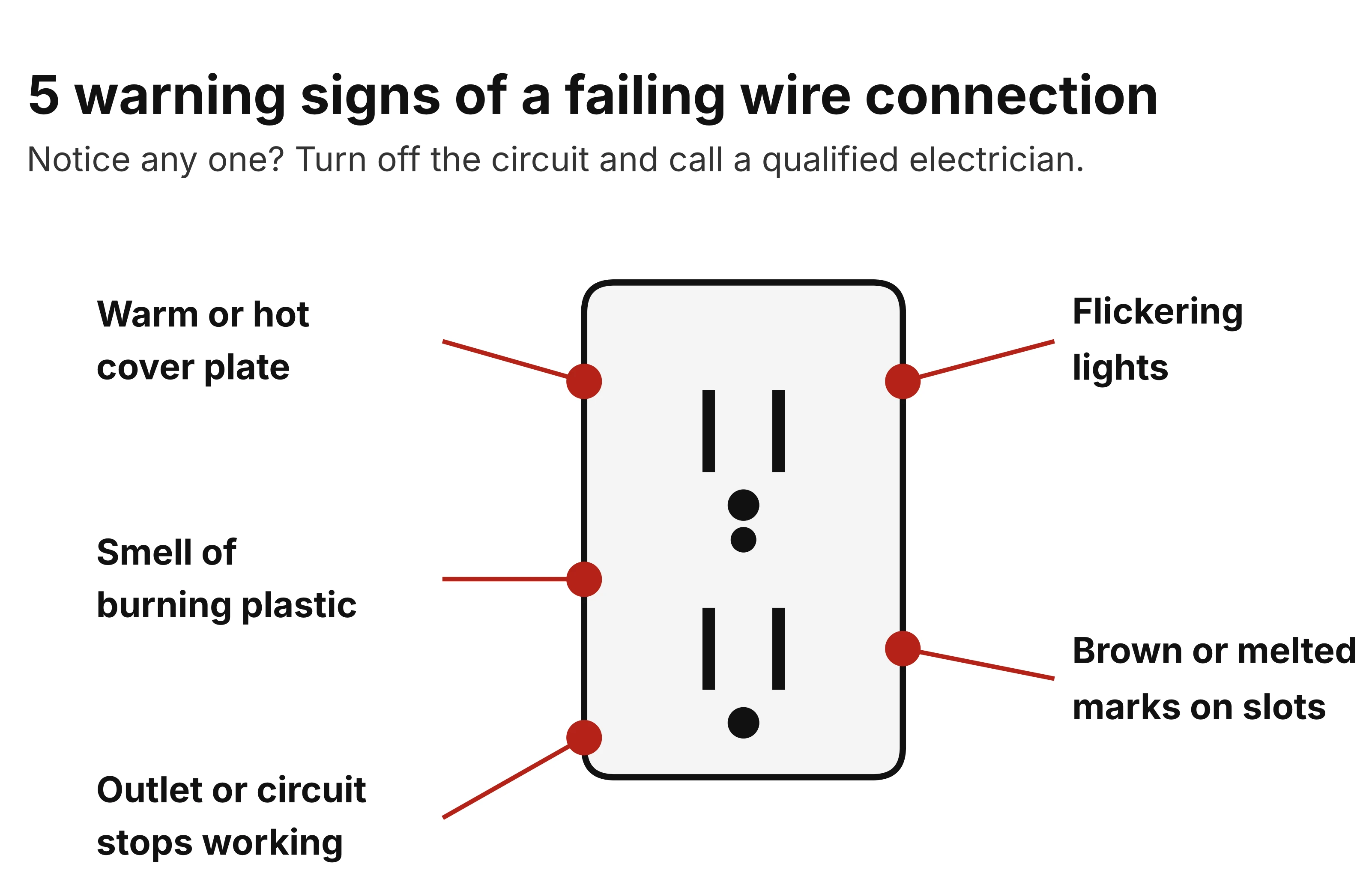
Why Counterfeit and CCA Cables Are a Growing Risk
Rusty aluminum cables are not the only problem. Nowadays, danger lies in new cables that mimic copper. Copper Clad Aluminum (CCA) is a type of cable that consists of an aluminum core coated in copper. Genuine and listed CCA cable is a perfectly good material for building but has to be oversized. For instance, 12 AWG copper equals 10 AWG CCA.
However, the threat lies in the CCA cable passed as solid copper cable. When installed using copper sizes, it will be undersized from the get-go. Up to 20% of cable available in stock could be illegal, unapproved, or counterfeit.
Quick Checks to check for counterfeit copper cables:
You do not need lab tools to catch most fake cable. Run these five checks before the cable goes into your walls, because pulling it out later costs far more.
Check | How to do it | What a red flag looks like |
Scrape or cut test | Cut the end of a spare piece or scrape the surface with a knife | A silver center under the copper colour |
Weight | Compare a coil with a known genuine coil of the same size and length | Noticeably lighter; CCA is far lighter than copper |
Certification marks | Look for UL or ETL listing printed on the jacket and box | Missing marks, or claims like "plenum rated" with no listing |
Jacket printing | Read the conductor marking on the jacket | "CCA", "CU clad" or no metal marked at all |
Price | Compare with known brands | Far cheaper than the copper market price |
Buying Checklist for Genuine Copper Cable
The most reliable cable is one whose reliability you do not have to question. In Pakistan, it would be copper cables made according to the PS:IEC:60227 standard, where the use of annealed copper conductors (PSQCA) is compulsory, and purchased from a reliable vendor. Follow this list whenever you purchase any cable.
Purchase reputable brands from authorized vendors.
Always ask for certification documents of the listed brands that you are unfamiliar with.
Ensure that the outer jacket reads copper or CU and not CCA.
Compare the gauge printed on the jacket with the breaker capacity.
Rewire Now vs. Repair Repeatedly
You have several choices such as :
Option | Repair view | What it means for you |
Full rewire to copper | Removes the aluminum branch wiring | Highest upfront cost, no aluminum connections left |
COPALUM crimp pigtails | A safe and permanent repair | About $50 per outlet, switch or light; trained electricians only |
AlumiConn connector pigtails | The next best permanent repair | Lower cost option, still needs a qualified electrician |
CO/ALR outlets and switches | At best an incomplete repair | Cannot cover every part of the system |
Twist-on connector pigtails | Not a recommended repair | Cheap now, but the weak connection stays |
A cheap fix that fails means paying again, plus the fire risk in between. A permanent fix or a full rewire costs more once and then stops the cycle.
Factors That Affect Rewiring Cost
Rewire estimates will be different each time. Home size is just one part of it; how easy the walls are to access, location, and what occurs after the wiring is installed will all affect the bottom-line price.
Home size and devices: A larger home requires more outlets, switches, and fixtures, which equals more work.
Accessibility: A home with a crawlspace is easier to rewire than homes on slab construction.
Location and rates: The price of materials and labor is different depending on your geographic location.
Drywall and painting: Wall repair is not included in the estimate.
Time: Rewiring takes 3 to 10 days, and you might have to live somewhere else during that period.
Conclusion
The reason why wiring is often overlooked is that it is hidden. However, as we know, the material used to make it determines how hot the connections become, how tight they remain, and how safe they are. There are three main reasons why copper is better when it comes to safety. Its resistance is approximately 58 percent lower, so it stays cool. It expands less and does not experience creep, so that its connections stay tight. Copper oxide is still conductive, so that hot spots do not appear at outlets and switches.
It is necessary to take care of old aluminum wiring. In case you notice warm plates, flickering lights, or a burning smell, have your wiring inspected by a qualified electrician to see whether it needs to be repaired permanently or rewired, or if there is nothing to worry about.
In Pakistan, where short circuits resulted in more than 10,000 fires in Punjab alone in 2025, the same principle applies. Make sure to use genuine copper cable according to the PS:IEC:60227 standard and have it sized properly for each circuit and checked by a qualified electrician.
Frequently Asked Questions
Why does aluminum wiring lead to fires?
Aluminum wiring leads to fires at the joints but not in the middle of the wire. This happens due to creep, expansion with heat, insulation by an oxide layer, and corrosion upon contact with other metals. These processes lead to loosening of the joint, increased resistance, and overheating, which eventually results in arcing.
What is the difference between aluminum and copper resistances?
Aluminum is 58 percent more resistant than copper with the same dimensions. The resistivity of aluminum is 2.65 × 10⁻⁸ ohm-meters, while that of copper is 1.68 × 10⁻⁸ ohm-meters. That is why aluminum requires a larger diameter of wire to carry the same current.
What is pigtailing? Is it safe?
Pigtailing is a way to connect a short section of copper wire to the aluminum wire to isolate the outlet from aluminum. It is safe only if the joint is reliable.
How long does copper wiring last?
Bare copper wiring can last up to 100 years or even longer. However, outlets, switches, and insulation might require replacement earlier.
Is copper clad aluminum the same as copper?
Not really. Copper-clad aluminum is an aluminum wire with a copper coating. The wire needs to be one gauge larger than copper.
Is copper wire necessary for house wiring in Pakistan?
Pakistan's PVC-insulated house wire specification, PS:IEC:60227, demands annealed copper conductors. Therefore, house wiring conforming to this standard is copper.