 Contact Us
Rust is expensive. A global study by NACE International indicated that corrosion in the world costs an estimated US$ 2.5 trillion annually, or 3.4 percent of world GDP. Similarly, the same study indicated that the application of well-established practices against corrosion can save a range of 15% - 35% of the total cost. Proper painting is one of the practices.
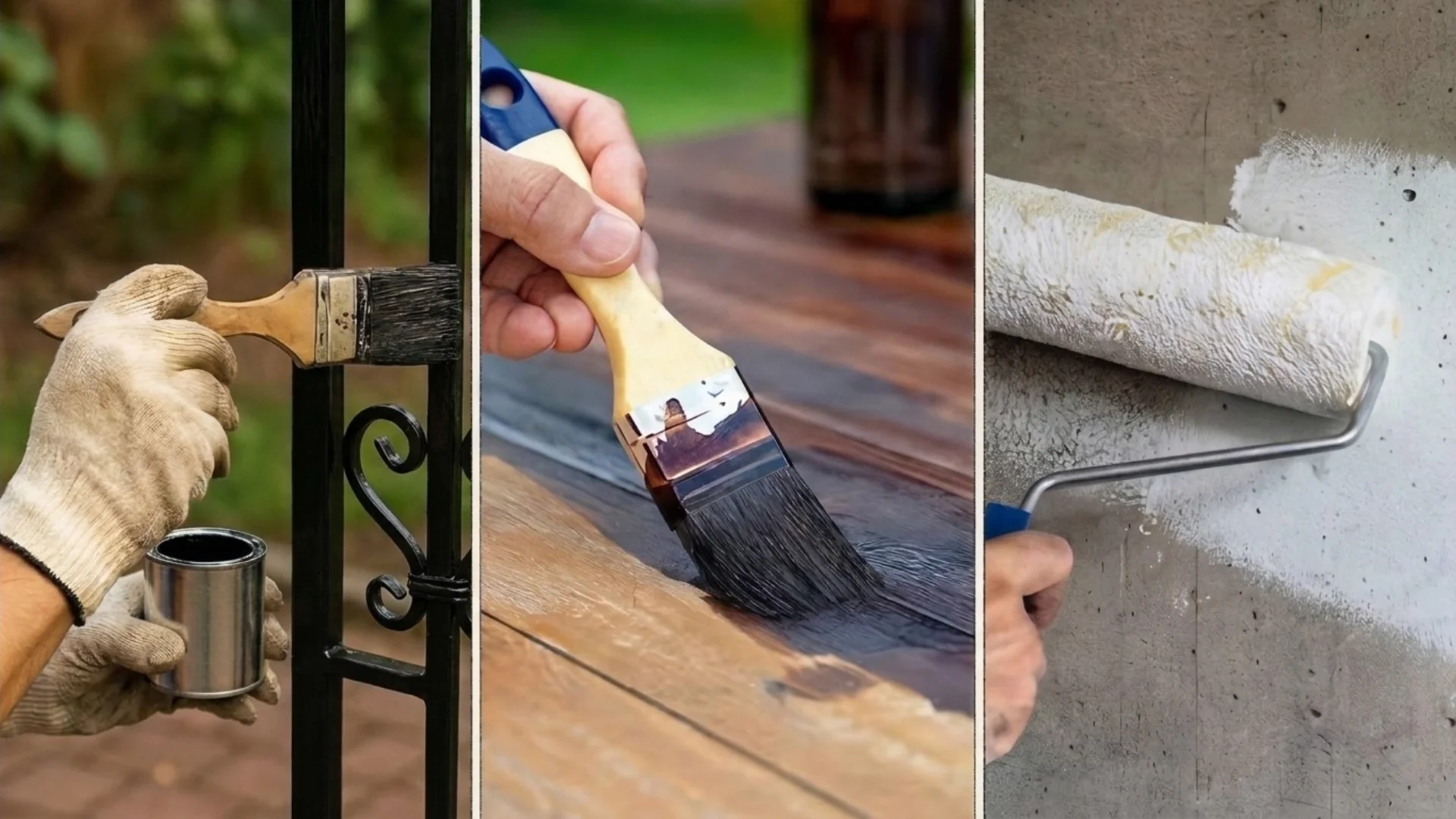
In Pakistan, every household has metal surfaces that are exposed to the outside environment, such as gates, grills, railings, and water tank stands. It has also got cement walls which are subjected to monsoon rains and wooden door subjected to daily wear and tear. Choice of paint depends upon the material of surfaces. Cement walls require application of breathable paints like emulsion or masonry over the wall primer paint. Wood requires sealant or wood primer and finally enamel or lacquer or varnish. Metallizing requires a rust-resistant primer like red oxide primer and an enamel top-coat.
The preparation process is as important as the paints themselves. Therefore, each one requires its own system of painting. The following are the benefits that come from using a good painting system.
Durability
A pleasing appearance
Weather resistance
Compatibility with the surface underneath
Why Is Choosing the Right Paint Important for Different Surfaces?
Paint is more than color. It is a thin protective coating. When the paint and surface match, the coating stays intact and performs its function for many years. In the case of a mismatch, it flakes, chalks, or allows corrosion to penetrate in a matter of months.
Cement, wood, and metal surfaces react quite differently:
Cement is porous and alkaline, retaining moisture.
Wood expands and contracts depending on the amount of humidity, and has a grain.
Metal is smooth and non-porous, and corrodes when moisture gets to it.
The proper paint protects each material from the specific danger. Cement is protected from moisture and dirt; wood is protected from the moisture that causes timber to swell and split; metal is protected from moisture and air, which causes rusting.
How Paint Selection Affects Maintenance and Repainting
A well-chosen paint system lasts longer, so you repaint less often. A poor choice means scraping, sanding, and starting again sooner. Since labour is often a big part of a paint job, fewer repaints save real money.
Factors to Consider Before Choosing Paint
Before you open a colour card, answer a few simple questions about the job. These six factors narrow your choice down quickly and stop you buying a tin that looks right but performs wrong.
Identify the Surface Material and Its Condition: The answers decide which primer and preparation you need.
Check whether the surface is indoors or outdoors: Outdoor surfaces face sun, rain, dust, and heat. They need paint made for exterior use. Indoor paints are usually chosen for finish, washability, and low smell.
Consider Moisture, Sunlight, Heat, and Daily Use: Bathrooms, kitchens, and damp walls need moisture-resistant paint. Exterior walls and rooftop metalwork need weather and UV resistance. Doors, railings, and children's rooms need paint that can be wiped and resists scratches.
Choose the Required Finish: Matte, Satin or Gloss
Compare Coverage, Number of Coats, Drying Time and Maintenance: Coverage is how much area one litre of paint covers in one coat. It varies a lot. Always read coverage from the product's own label or data sheet.
Calculate the Total Painting Cost Instead of Comparing Tin Prices Alone: A cheaper tin that covers less area, or needs an extra coat, can cost more in the end. Add up primer, putty, paint for all coats, tools, and labour. Then compare the total, not the tin price.
Related: https://gharhub.com/diamond/enamels-gloss-matt-ancillaries
How to Choose the Best Paint for Cement Surfaces
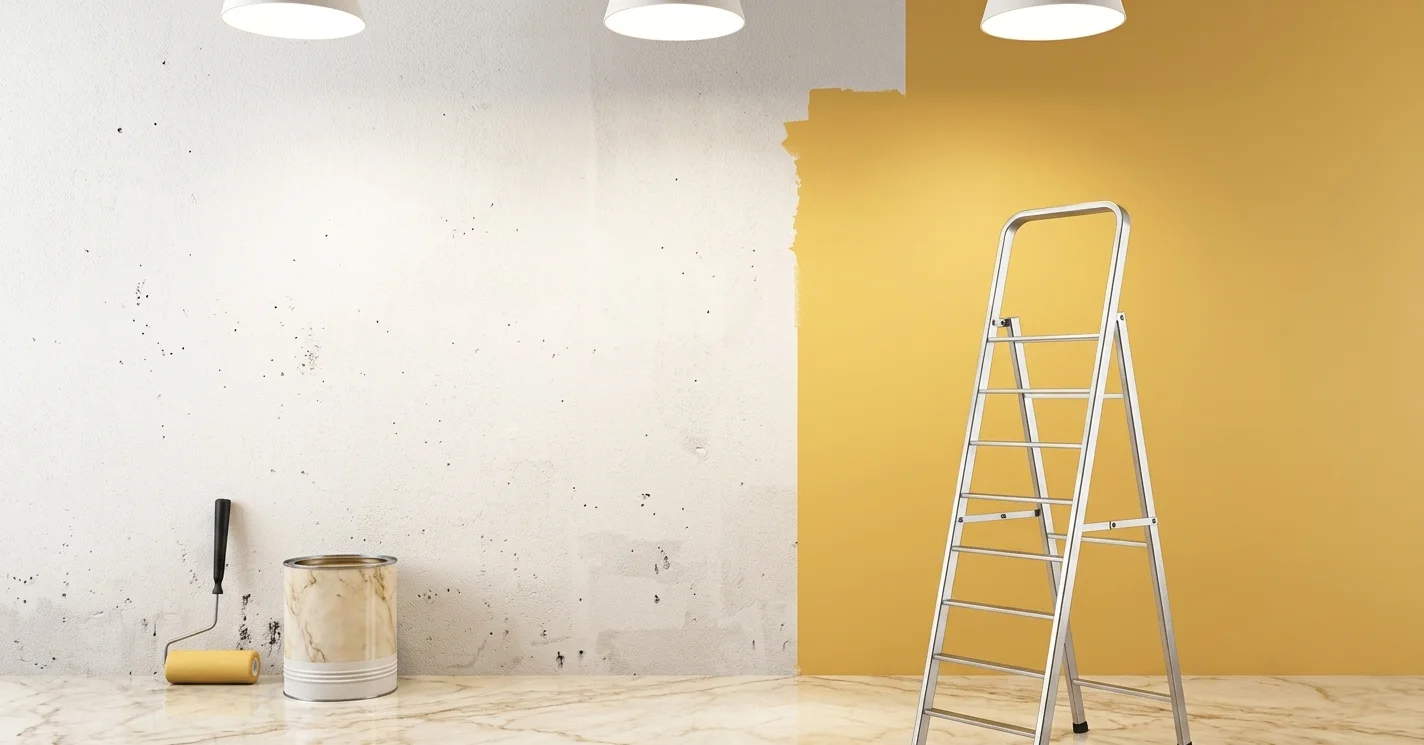
Cement walls make up most of the painted area in a Pakistani home. They are porous, alkaline, and often damp, which makes them tricky to paint well. The good news is that a simple system of primer, putty, and the right emulsion works for most walls.
Paint for Interior Cement Walls
For inside walls, a water-based emulsion is the usual choice. It is low in smell, dries fast, and comes in matte, silk, or satin finishes. Choose a washable finish for kitchens, corridors, and children's rooms.
Paint for Exterior Cement Walls
Outside walls face sun, rain, and dust, so they need an exterior emulsion or weather coat. Never use interior emulsion outside.
Paint for Concrete Floors and Exposed Cement Surfaces
Floors take foot traffic, furniture and cleaning, so wall paint will wear through quickly. Use a paint or coating made for floors, such as a floor paint or an epoxy coating, and follow its preparation steps closely. Exposed cement surfaces outdoors, such as steps and ledges, need an exterior-grade coating.
How to Prepare New Plaster and Previously Painted Walls
Preparation decides whether paint lasts. Fresh cement is highly alkaline. Fresh masonry has a pH of 13 to 14, and it is advised to let new surfaces cure, usually about 30 days, before painting.
For new plaster:
Let the plaster cure and dry fully.
Brush off dust and loose particles.
Fill cracks and holes.
Apply a suitable wall primer or sealer.
For previously painted walls:
Scrape off loose and flaking paint.
Scrub or sand the surface, as Berger advises for repainting.
Wash off dirt and grease, then let it dry.
Spot prime bare patches before the topcoat.
Ways to Prevent Peeling, Flaking, Damp Patches and Uneven Finishes
Fix the water source first. Paint cannot hold back a leak or rising damp.
Never paint damp or uncured plaster. Moisture in plaster can push salts to the surface and cause blistering.
Prime powdery walls so the topcoat has something firm to grip.
Apply even coats and keep a wet edge to avoid patchy colour.
How to Choose the Best Paint for Wood Surfaces
Wood is a living material. It swells in humid monsoon months and shrinks in dry winters. A good wood finish must move with it, seal out moisture, and resist scratches. You also have one choice cement and metal do not offer: showing the natural grain or covering it with colour.
Paint for Wooden Doors, Cabinets, Furniture and Frames
Main doors and exterior frames: need weather resistance, so choose an exterior-grade enamel or varnish.
Interior doors: enamel for colour, or varnish or lacquer to show the grain.
Cabinets and furniture: need a hard, wipeable finish, often lacquer or enamel.
Window frames: face sun and condensation, so pick a durable exterior finish.
When to Use Wood Primer, Sealer, Undercoat and Topcoat
Wood primer: seals bare wood before an opaque paint, so the paint grips and soaks in evenly.
Sealer: seals bare wood before a clear finish like varnish or lacquer.
Undercoat: builds a smooth, even base under enamel. Berger recommends its Synthetic Undercoat for interior and exterior use, especially on wood.
Topcoat: the final enamel, lacquer or varnish layer.
People Also Shop: https://gharhub.com/diamond/wood-ranges
Paint Versus Lacquer Versus Varnish: What Is the Difference?
Finish | Appearance | Common use |
Wood paint (enamel) | Opaque coloured coating | Doors, window frames, cabinets |
Lacquer | Fast-drying clear or tinted coating | Furniture and cabinets |
Varnish | Clear, hard protective film | Doors, tables, wood panelling |
Common Wood Painting Mistakes and How to Avoid Them
Painting damp wood: wait until it is fully dry.
Skipping sanding: paint will not grip a glossy old finish.
Skipping the primer or sealer: bare wood soaks up paint unevenly.
Leaving edges bare: moisture enters, and the wood swells.
Mixing incompatible products: follow one system from primer to topcoat.
How to Avoid Them:
Treat all surfaces of the wood, including the edges at the top and bottom of doors, where people tend to overlook them. The unprimed edges allow moisture into the wood, resulting in swelling. Apply enough layers to create a tough film; use a harder finish on surfaces that get a lot of use.
How to Choose the Best Paint for Metal Surfaces
Metal's main enemy is rust. Once water and air reach bare steel, rust starts and spreads under the paint. That is why metal painting is really about one thing: keeping the steel sealed, starting with the right primer.
People Also Search For: https://gharhub.com/nippon/wood-metal
Paint for Steel Gates, Railings, Grills and Metal Doors
The common system for steel in Pakistani homes is an anti-corrosive primer followed by an enamel topcoat. A gloss or satin enamel on top gives colour and a wipeable, weather-resistant finish.
Paint for Indoor and Outdoor Metalwork
Indoor metal, such as stair railings and cupboards, faces little weather, so primer and one or two enamel coats usually do. Outdoor metal, such as gates, grills and rooftop tank stands, faces rain and strong sun. Use exterior-grade enamel and do not skip coats.
Enamel Paint Versus Anti-Corrosion Primer
They do different jobs and work as a team:
Anti-corrosion primer | Enamel paint | |
Main job | Stops rust and helps the topcoat stick | Gives colour, shine, and weather protection |
Applied | Directly on clean bare metal | Over the primer |
Usage | No, it needs a topcoat outdoors. | No, it needs a primer on bare steel |
How to Remove Rust, Grease and Loose Existing Paint
Berger says the surface must be clean of scales, rust, oil, and grease before priming. Here is how:
Scrape off loose and flaking paint.
Remove rust with a wire brush or sandpaper until you reach firm metal.
Wipe off oil and grease with a suitable cleaner.
Dust off and let the surface dry.
Prime the bare metal the same day, before new rust forms.
How to Improve Resistance to Corrosion, Weather and Surface Wear
Remove all loose rust before priming.
Cover every edge, corner, and weld, where rust often starts first.
Apply the full number of coats the product recommends.
Touch up chips and scratches quickly.
Repaint before the old coating fails.
Cement Paint vs Wood Paint vs Metal Paint: What Is the Difference?
You have now seen each surface on its own. Putting them side by side shows the pattern: every surface needs clean preparation, the right primer, and a compatible topcoat, but what can go wrong is different each time.
Comparison factor | Cement | Wood | Metal |
Main requirement | Wall adhesion and weather or moisture suitability | Appearance and protection of timber | Adhesion and corrosion protection |
Surface preparation | Clean, sound, suitably cured surface | Sanded, clean, dry surface | Clean, dry surface free of loose rust |
Typical preparation product | Compatible wall primer or sealer | Compatible wood primer or sealer | Compatible metal primer |
Finish options | Matte, satin, textured, where suitable | Natural clear finish or coloured coating | Satin, gloss or other compatible finish |
Key selection concern | Dampness, exterior exposure and peeling | Grain, scratches and moisture | Rust, corrosion and exposure |
Common mistake | Painting over damp or uncured plaster | Skipping sanding or sealer when required | Applying topcoat over loose rust |
How Much Paint Do You Need for Your Surface?
Buying the right amount saves money and avoids colour mismatches between batches. You need three numbers: the area, the number of coats, and the coverage of your chosen paint.
Follow these steps:
Measure the surface. Multiply width by height for each wall, door, or panel.
Subtract openings. Take away doors, windows, and other areas you will not paint.
Multiply by coats. Most jobs need two coats, but check the product label.
Divide by coverage. Use the coverage per litre per coat from the tin or data sheet.
Common Paint Problems Before Repainting
Before you repaint, look closely at the old paint. Its problems tell you what went wrong last time. If you paint over a problem without fixing the cause, it usually comes back. Treat these signs as clues to check, not as a final diagnosis.
Peeling and Blistering: Check Adhesion and Possible Moisture Sources
Powdery Walls: Investigate Chalking or Weak Surface Material
Rust Spots: Check Exposed Metal and Corrosion Beneath the Coating
Cracking and Flaking on Wood: Check Coating Compatibility and Substrate Movement
Uneven Colour: Review Surface Preparation, Application and Coat Consistency
Conclusion
Selecting the best paint depends on the surface, not on the color chart. Decide what kind of surface you will be working with concrete, wood or metal; assess its state and prepare it correctly: curing and drying of the plaster, grinding and sealing of wood, cleaning of rust and greasy spots on metal.
Then select appropriate primer and top coat paint and verify that this product fits your requirements: whether it is interior or exterior, damp or high traffic area. The best paint is not necessarily the most expensive paint. It is the paint that corresponds to your requirements and budget, applied in the manner that the manufacturer recommends.
Frequently Asked Questions
What paint is best for cement walls in Pakistan?
Interior walls can be painted using water-based emulsion paint on wall primer. Exterior walls should be painted using exterior weather coat paint meant for masonry. Ensure that new plaster is thoroughly dry.
What paint is best for wooden doors and furniture?
For solid color, use enamel paint; for showing grain, use varnish or lacquer. For exterior doors and window frames, use exterior-grade paint. Sand and prime the wood surfaces before painting.
What paint is best for metal gates and grills?
Use an anti-corrosive primer, such as red oxide primer, followed by exterior enamel paint. Red Oxide Primer is best for metal gates, grills, and outdoor furniture.
Can the same paint be used on cement, wood, and metal?
Not usually. Every surface requires its own primer as well as a suitable top coat. Certain paints are made for multiple surfaces, so verify from the instructions of the manufacturer prior to application.
Is a primer required for painting cement walls?
Yes, in almost all instances. A primer or a sealer will assist the paint in sticking properly and ensure that the absorption of paint by the wall is minimized. The suggestion for Berger for applying primer is for new walls susceptible to salts/lime bloom and powdery walls.
Which primer should be used for metal substrates?
For bare steel, an anti-corrosive primer, preferably red oxide, should be applied. Galvanised and aluminum metals need a primer specific to those materials, as normal oil paints do not adhere to zinc.
How can one avoid paint from peeling off a concrete wall?
Repair any leakage and damp patches.
Make sure the newly plastered wall has cured properly.
Sand off the flaking paint and any debris.
Apply primer before applying the top coat.
How to prevent rust from forming before painting a metal surface?
Loose rust, dirt, oil, and grease should be removed from the surface before priming. Bare metal should be primed the very same day using an anti-corrosive primer. Take extra care around edges and joints; apply the recommended layers of enamel.
What is the distinction between lacquer, varnish, and wood paint?
Wood paint is thick and opaque and hides the grain pattern. Lacquer is a quick-drying film that highlights the wood grain. Varnish is hard, transparent, and highlights the grain.
Do wooden surfaces require primer and sealer always?
Absolutely, except for already treated and painted wooden surfaces. The primer should be applied before opaque paint and the sealer before a clear finish.